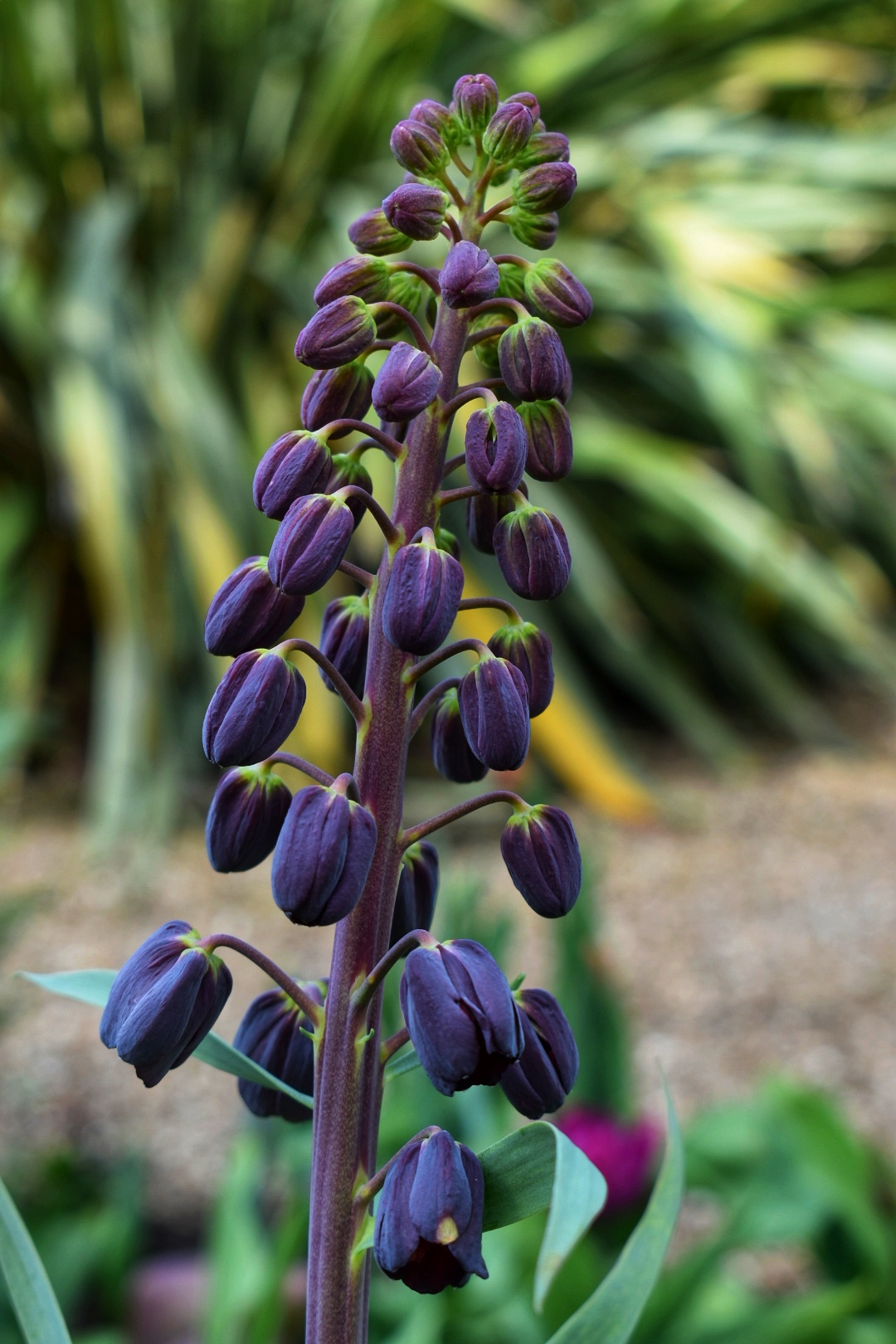
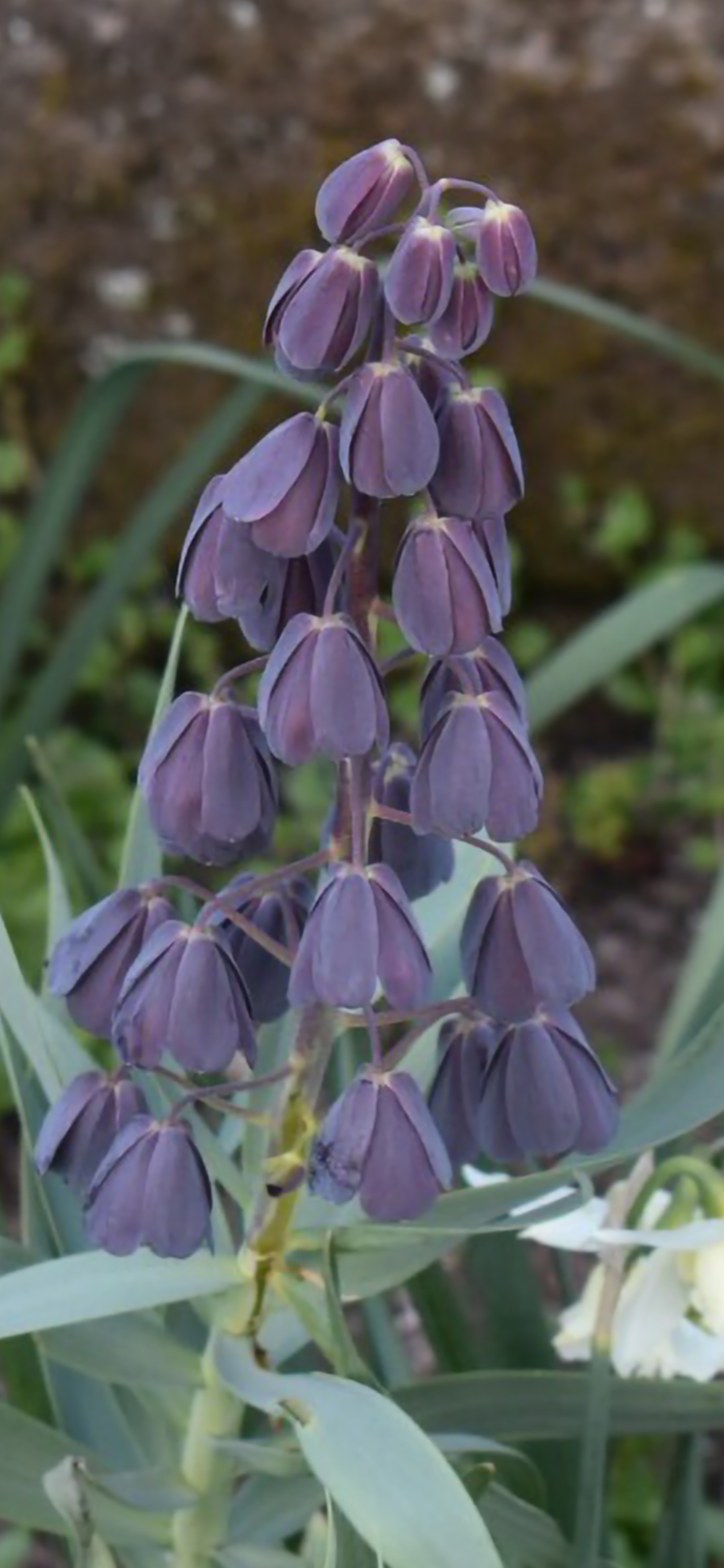
An exotic looking bulb producing tall spikes of bell-shaped, deep purple flowers in spring. Height 90cm. Spread 25cm. Full sun, well-drained soil. Hardy.
Fritillaria persica is a striking bulbous perennial admired for its tall spires of deep purple, bell-shaped flowers in spring. Its dramatic presence makes it ideal for borders, gravel gardens, and mixed planting schemes. To help your Fritillaria persica thrive, follow the detailed planting guide below.
PLANTING and AFTERCARE GUIDE
Best Planting Time
Autumn: Plant Fritillaria persica in autumn, giving them ample time to root before spring growth begins.
Early Spring: Smaller or pre-sprouted bulbs of Fritillaria persica may also be planted in early spring, provided the soil is workable.
Site Selection
Sunlight: Fritillaria persica performs best in full sun, though it can tolerate light partial shade. A bright position helps the flower spikes develop strong, upright growth.
Soil: Choose well-drained soil for Fritillaria persica. This plant dislikes sitting in moisture, so light, gritty or sandy soil is ideal. Improving heavy soil with grit or compost encourages healthier growth.
Planting Instructions
Prepare the Hole: For Fritillaria persica, dig a hole approximately three times the depth of the bulb and wide enough to allow for easy positioning.
Soil Preparation: Mix compost or sharp grit into the planting area to improve drainage, essential for all Fritillaria persica bulbs.
Planting: Position the plant upright, then backfill with soil, gently firming it down to avoid air pockets around the bulb.
Watering After Planting: Water lightly to settle the soil. The bulb must not sit in overly damp ground.
Watering Requirements
Growing Season: Water moderately during spring growth, allowing the soil to dry slightly between waterings. Consistently wet soil can cause bulbs to rot.
Dormant Season: Once foliage dies back, Fritillaria requires minimal water. Too much moisture during dormancy can weaken the bulb.
Feeding
Early Spring: Apply a balanced, slow-release fertiliser as Fritillaria persica begins to emerge. This boosts flowering and supports tall stem development.
Post-Flowering: After flowering, feed lightly again to help the bulb recharge for the following year.
Pruning
Deadheading: Remove spent flowers to keep the plant looking neat and encourage energy to return to the bulb.
Foliage: Allow the leaves to die back naturally, as they feed the bulb for next year’s blooms. Do not cut foliage prematurely.
Mulching
Spring: Apply a light mulch of gravel or compost around Fritillaria persica to suppress weeds and improve soil structure, while keeping the crown free of heavy mulch.
Winter: A thin mulch helps insulate the soil, provided drainage remains excellent.
Supporting the Plant
Staking: Fritillaria persica stems are usually sturdy, but in particularly exposed areas, staking may help support the tall flower spikes.
Final Tips
Fritillaria persica is a dramatic, architectural plant that rewards gardeners with elegant, towering blooms each spring. By planting it in full sun, ensuring excellent drainage, and allowing the bulbs to rest undisturbed after flowering, your Fritillaria will thrive year after year. Add FritillariA to borders, gravel gardens, or mixed perennial displays to bring height, depth, and exotic charm to your outdoor space.




 Select options

Reviews
There are no reviews yet.