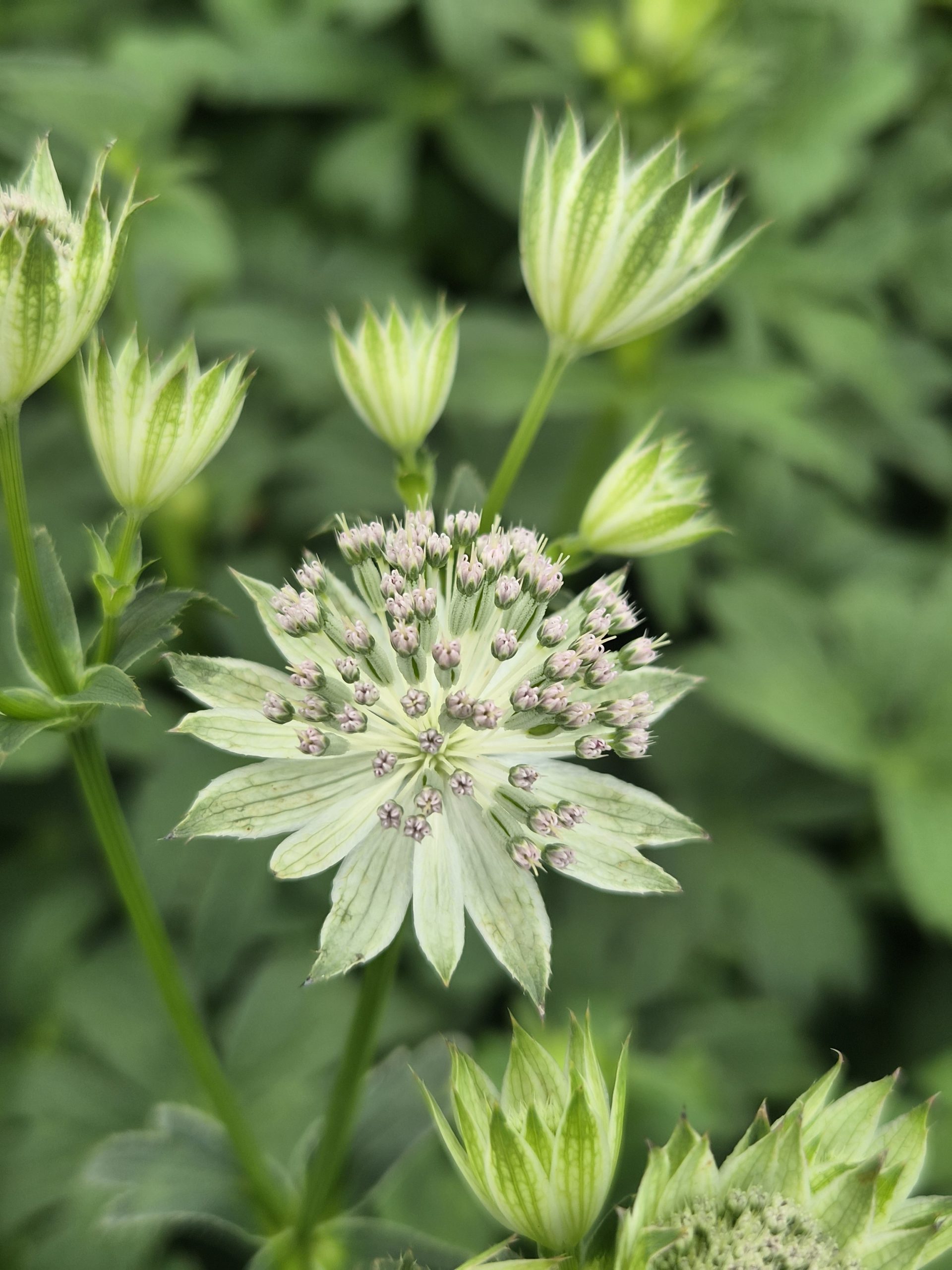
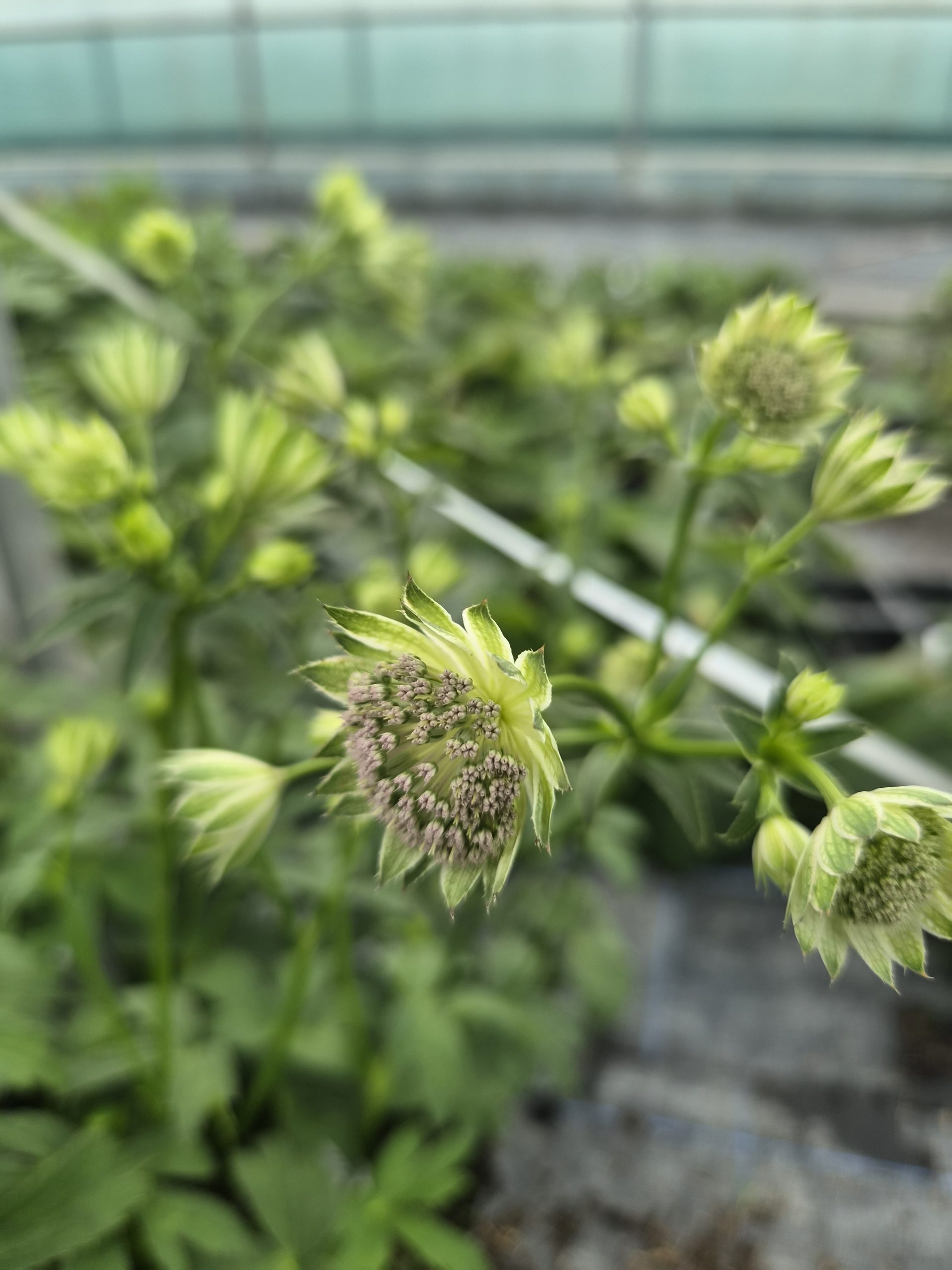
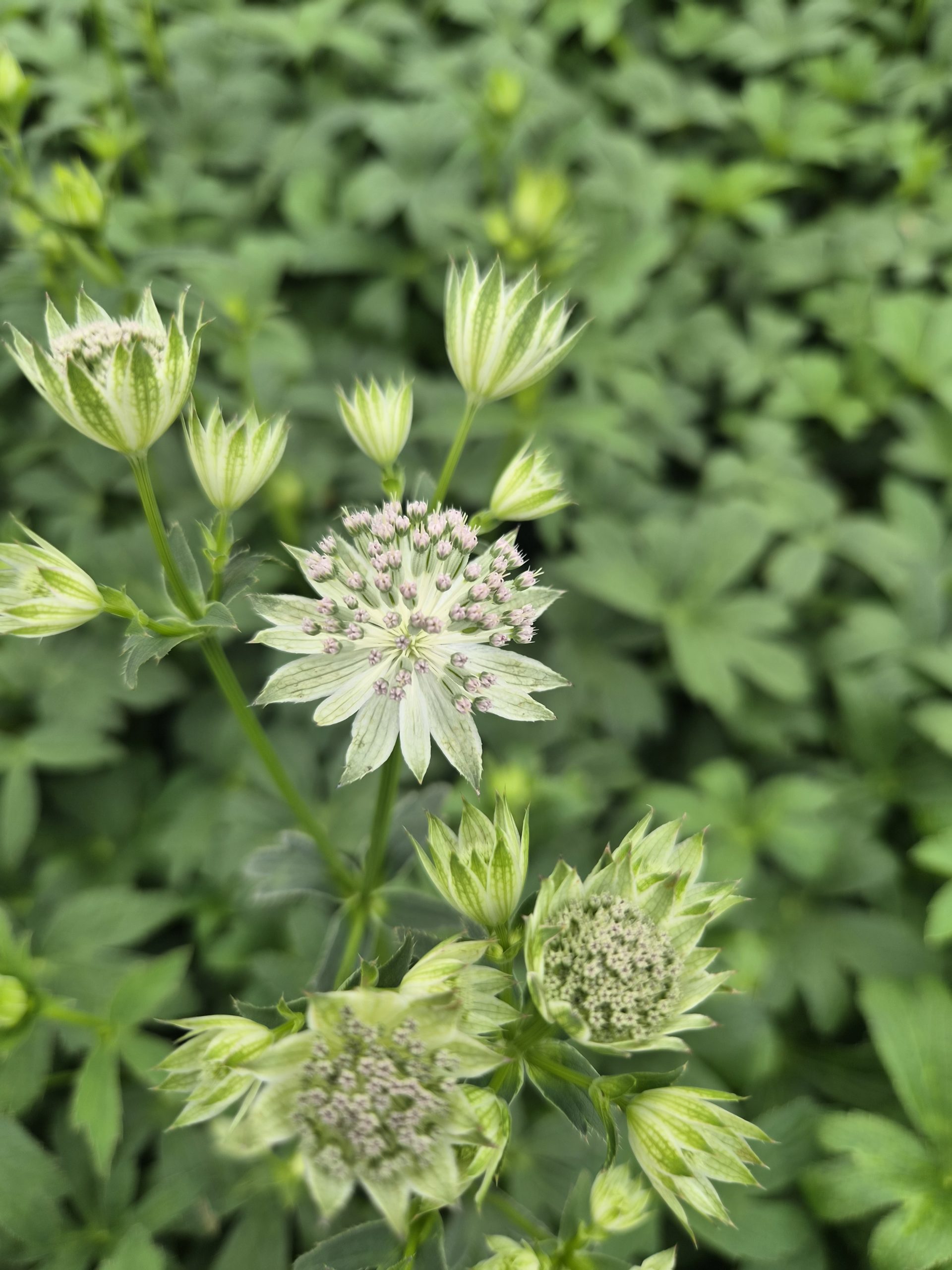
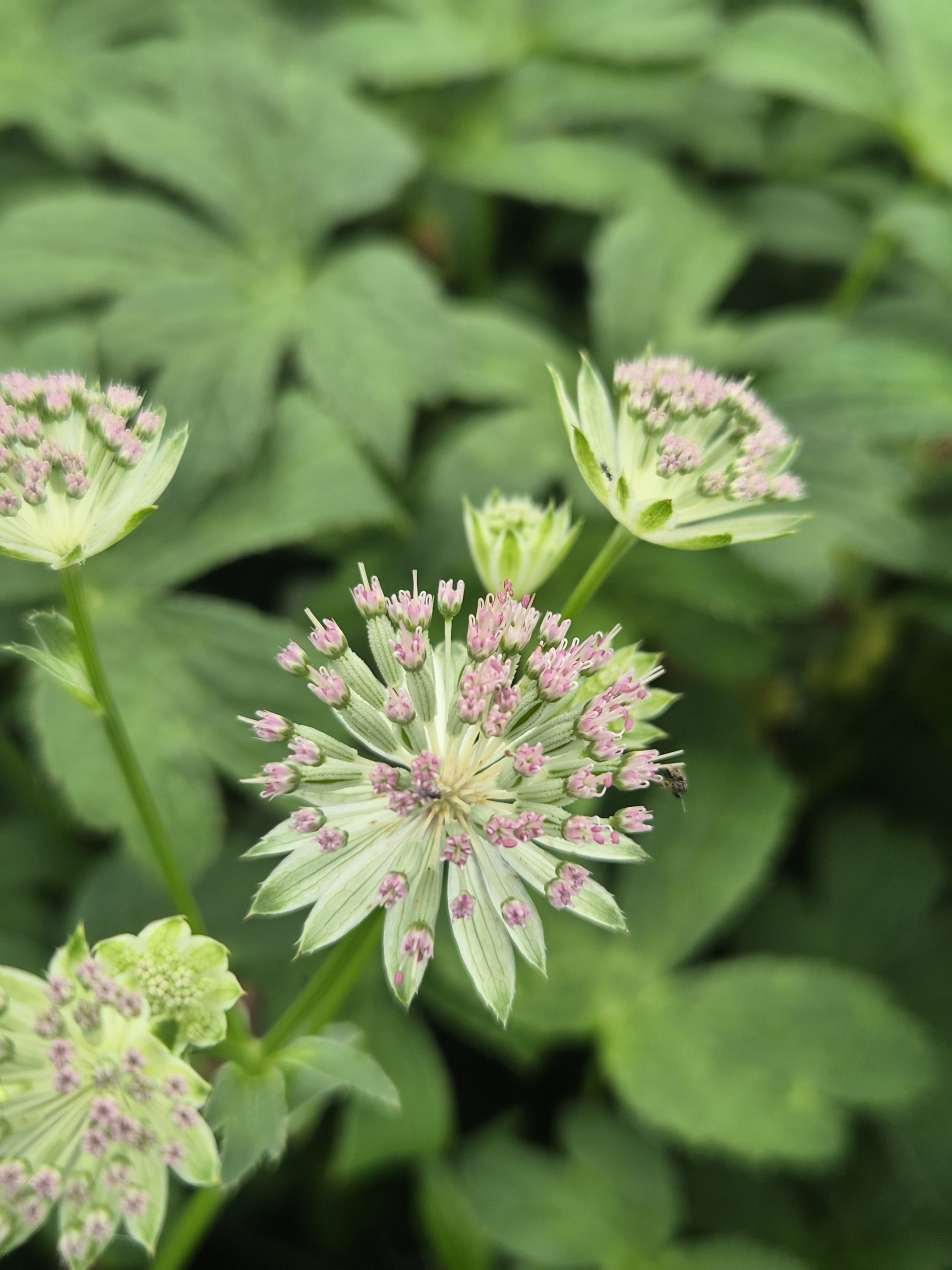
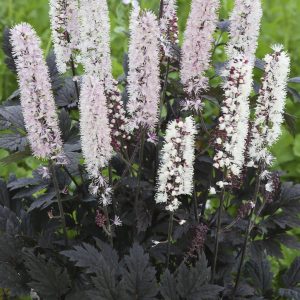
A clump-forming perennial with deeply divided mid-green leaves. Delicate, papery, rose-pink flowers on elegant wiry stems from June to September. Height and Spread 60cm. Full sun/partial shade. Prefers moist soil. Hardy.
Astrantia major ‘Gracilis’ is a hardy, clump-forming perennial admired for its delicate, papery rose-pink flowers held on elegant wiry stems. Flowering from June to September above deeply divided mid-green foliage, it is an excellent choice for borders, cottage gardens and naturalistic planting.
PLANTING AND AFTERCARE GUIDE
Best Planting Time
Spring: Plant Astrantia major ‘Gracilis’ in spring when the soil is workable and beginning to warm. This gives the roots time to establish before active growth and flowering begin.
Early Autumn: Alternatively, planting in early autumn allows the root system to establish while the soil remains warm, encouraging strong growth the following season.
Site Selection
Sunlight: Astrantia major ‘Gracilis’ grows well in full sun or partial shade. In warmer, drier positions, some afternoon shade can help prevent the soil from drying too quickly.
Soil: Moist, fertile soil is ideal. Incorporate compost or well-rotted organic matter before planting to improve soil structure, fertility and moisture retention.
Planting Instructions
Prepare the Hole: Dig a hole approximately twice the width and the same depth as the root ball, giving the roots plenty of space to spread.
Soil Preparation: Mix compost or well-rotted organic matter into the excavated soil to increase fertility and help retain moisture.
Planting: Position Astrantia major ‘Gracilis’ with the top of the root ball level with the surrounding soil. Backfill carefully and firm gently around the roots.
Watering After Planting: Water thoroughly to settle the soil and encourage the roots to establish.
Watering Requirements
Growing Season: Keep the soil consistently moist, particularly during prolonged dry periods and while plants are establishing. Avoid allowing the ground to dry out completely.
Dormant Season: Astrantia major ‘Gracilis’ requires less water once growth has died back, although newly planted specimens should not be allowed to remain excessively dry for long periods.
Feeding
Spring: Apply a balanced general-purpose fertiliser as new growth begins to encourage healthy foliage and abundant flowering.
Mid-Season: A light supplementary feed during summer can help maintain vigour and support the long flowering period, particularly on poorer soils.
Pruning
Deadheading: Remove faded flowers from Astrantia major ‘Gracilis’ regularly to encourage further blooms and extend the flowering display into late summer.
Seasonal Care: Cut back old stems and declining foliage after flowering or leave some flowerheads temporarily for ornamental interest before tidying the plant.
Mulching
Spring: Apply a generous layer of organic mulch around the base to conserve moisture, suppress weeds and gradually improve the soil.
Later in the Year: Replenish mulch when necessary, keeping it slightly away from the crown to prevent excessive moisture accumulating directly around the plant.
Supporting the Plant
Natural Habit: Astrantia major ‘Gracilis’ reaches approximately 60cm in height and usually supports its elegant wiry stems without staking. Plants in particularly exposed positions may benefit from discreet support.
Final Tips
Astrantia major ‘Gracilis’ performs particularly well where its roots can remain cool and consistently moist without becoming waterlogged. Regular watering during dry periods, annual mulching and deadheading will help Astrantia major ‘Gracilis’ produce healthy foliage and an impressive display of rose-pink flowers from early summer into autumn.



 Select options

Reviews
There are no reviews yet.